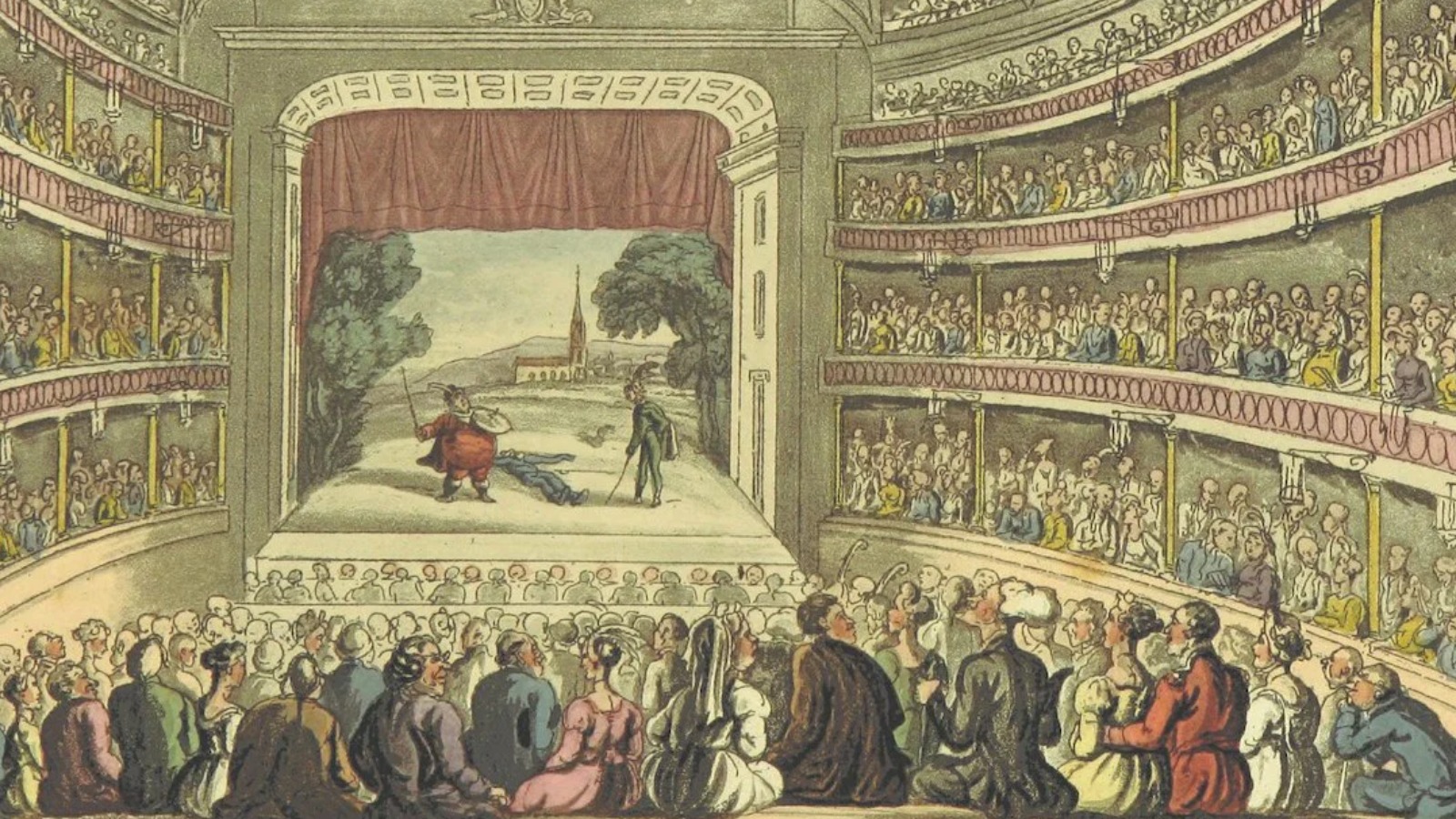
Grab your coffee. Here's some trivia for the interval.
Did you know saying "Macbeth" backstage is meant to summon disaster? Actors still won't say it, opting for "the Scottish play" instead. The popular explanation is that Shakespeare slipped real witchcraft into the script and a coven took offence. Nice story, but the bloodiest event actually tied to the play had nothing to do with witches. In 1849, two rival actors both staged Macbeth in New York in the same week, and their fans rioted so badly outside the Astor Place Opera House that troops opened fire. More than twenty people died over which actor did the better Shakespeare. So next time someone blames the curse, tell them it was really just theatre fandom gone spectacularly wrong.
Did you know "break a leg" isn't actually Elizabethan? Despite the folklore about bowing actors or ancient Greeks stomping their feet, the phrase doesn't turn up in writing until American theatre journals in the late 1940s. The best guess going around among etymologists points somewhere stranger: German aviator slang from the World Wars, itself possibly borrowed from a Yiddish blessing for good luck, picked up by American theatre folk along the way. So it's not a Shakespearean bow at all. It's a twentieth-century mash-up that stuck.
Did you know whistling backstage is still considered bad luck? The story goes that old theatres hired sailors to run the ropes and rigging, and a stray whistle could be mistaken for a cue, sending scenery crashing down. Charming tale, shaky evidence. At least one rigging historian has gone looking for proof that theatres actually recruited off-duty sailors and come up empty. What is true is that whistled cues really were used before headsets, and getting one wrong really could drop something heavy on somebody. The safety rule is real, even if the sailors are a sea story.
Did you know a bad dress rehearsal is supposed to mean a great opening night? Nobody knows who started this one. Best theory: a kind director, decades ago, trying to keep a shaky cast from spiralling the night before the real thing.
Bit of fun for your reading pleasure, and proof that most good stage lore has a better story hiding underneath the myth.